What Your Body Feels in the First Two Weeks on Court
The soreness map, and which aches are normal versus warning signs.
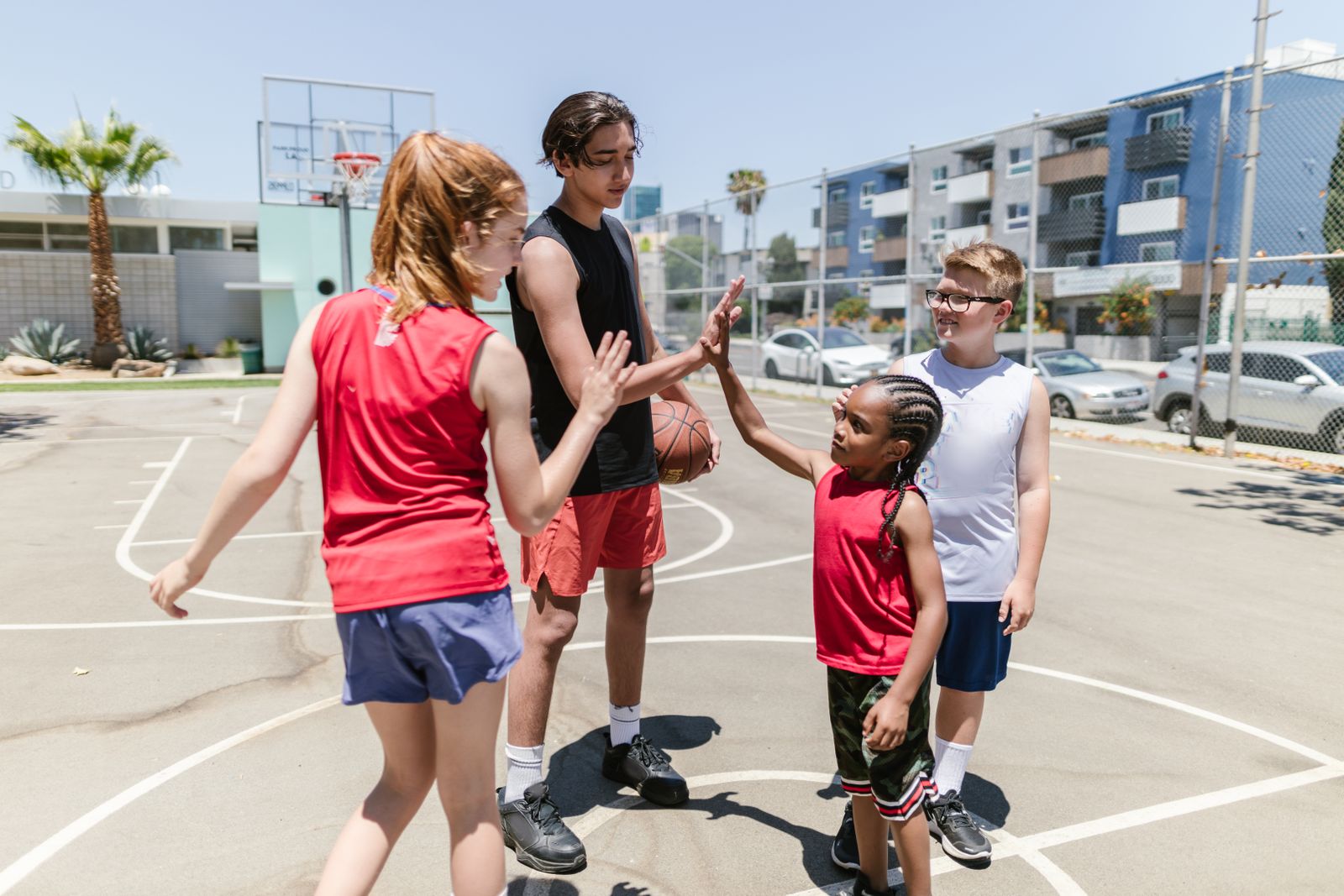
Nobody warns you about day two. I remember mine, easing down the stairs of my condo in Banilad one hand on the rail, laughing at myself the whole way like some old man with a bad knee. Day one you walk off the court sweaty and pleased with yourself. Day two you discover muscles you did not know you owned. Nearly everyone who tries pickleball or tennis after months at a desk gets ambushed the exact same way, and most of it is nothing to worry about. Some of it is. Here is the two week map, built from watching new players limp through open play and from my own sorry legs that first week.
Day one and two, your calves and forearms turn on you
Your calves take the worst of it first. All those short, sharp stops the sport demands are nothing like the shuffle from a jeepney stop to your office door, and your legs notice fast. The forearm ache catches people off guard more. Every beginner grips the paddle like it might escape, out of nerves more than anything, and that white-knuckle hold lights up muscle from wrist to elbow that a keyboard never touches. It usually peaks a day or two after you play, what trainers call delayed onset muscle soreness, and it just means your body is adjusting to a movement it has never asked of itself before.
Day three through five, the hip ache that scares people
This is the one that makes new players quit early. A dull ache settles into the hip or low back from all the lunging and pivoting, and your brain jumps straight to injury. Nine times out of ten it is just stabilizer muscles that have been asleep for years finally clocking in. What you actually want to watch for is sharp pain in one spot that gets worse the more you move, not better, or an ache still sitting there unchanged a week later. Dull soreness that loosens up once you warm up is normal. Sharp pain that has you limping on one side is not, and that is the moment a doctor beats a rematch.
Featured: Fitness basics and how the body adapts to new activity (Mayo Clinic). Why it matters: A reliable reference for what counts as normal training soreness versus pain that needs a professional look..
What actually works for recovery, not what looks good online
You do not need a pro's budget to steal a pro's habits. Sleep does the heaviest lifting, since most of the actual repair happens while you are out cold, and I know plenty of players who finish a ten o'clock session then scroll their phone until midnight, wondering why their legs still feel like lead the next evening. Eat something with real protein after you play too. Nothing fancy, just do not let dinner be rice and sauce alone. Boring habits. That is exactly why they beat the recovery gadgets everyone tries to sell you at the pro shop.
The recovery routine actually worth doing in week one
Skip the fancy gear. A slow walk on your rest day moves blood through sore legs better than the couch does, and a few minutes stretching your calves and hip flexors before bed helps more than it has any right to. Hydration matters more here than it would anywhere colder. An hour of doubles in Cebu heat drains you fast, so drink more on the days you play than the days you do not, obviously, but people still forget. If you want an actual number instead of a guess, Harvard Health has decent general guidance on how much.
Ice is for injuries, not for plain soreness. A warm shower and a walk around the block beats an ice pack for regular muscle ache almost every time.
Week two, when your body finally stops overreacting
By session three or four, the next day ache shrinks fast, almost overnight. Your muscles have not gotten fit, not yet. They have just stopped treating a normal rally like a five alarm fire. You will feel a smaller version of the same soreness again the first time you do something new, your first tournament, a session that runs way longer than usual. That is normal too, not a setback.
Normal soreness clears up in three to five days with light movement, no special treatment needed. If it lasts longer than that, or gets sharper instead of fading, stop guessing and go see a doctor.
When to actually sit out instead of gutting it out
Swelling, a bruise with no fall or bump to explain it, pain that wakes you up at night, a joint that feels loose instead of just tired, any of those means sit out and get it looked at. Do not play through it. Everything else here, the calf tightness, the forearm burn, the hip ache, is just your body learning a new sport. Two weeks in, I have watched enough beginners come back to notice the pattern. They walk into their fifth or sixth session moving like a different person, on court and off it.
If all this soreness talk is scaring you off before you even start, do not let it. Every regular you see gliding around an IT Park court after work went through this exact window once. Two weeks, not two months. Read through what to actually expect before your first game too. Knowing the ache is coming makes it a lot less alarming once it actually shows up.
Feeling steadier after week two? Book your next session on CourtPal and keep the momentum going while your body is finally catching up.