Stop Apologizing for Being New
The quiet gatekeeping that scares beginners off, and how to shut it down.

I have watched a beginner say sorry four times in one rally. Sorry for the mishit, sorry for standing in the wrong spot, sorry for asking what the score was. Nobody made her apologize. She just absorbed, correctly, that some regulars on that court treat new players like an inconvenience they are tolerating. I want to say something blunt about that, because it is a bigger problem than most clubs admit, and it costs the whole sport more players than any actual skill gap ever does.
The sigh is a bigger deal than the mistake
Every court has one. The intermediate player who does not say anything cruel, just sighs a little too loud when a beginner shanks a shot, or takes over a rally that should have gone to their new partner. It reads as small. It is not small. Beginners remember that sigh longer than they remember the score, and plenty of them quietly stop coming back after enough of them, choosing a different open play or quitting the sport entirely rather than confronting anyone about it.
Where this habit actually comes from
It rarely comes from malice. Most of it is impatience wearing a mask, a regular who came to blow off steam after a long week and gets quietly frustrated when a rally does not move at the pace they wanted. That is a understandable feeling. It is not, however, a beginner's job to absorb it silently. The fix is not shaming the impatient player in the moment, it is naming the pattern out loud as a court culture problem, which is exactly what I am doing here, so groups can actually talk about it instead of pretending it does not happen.
Every strong player was a liability once
This is the part that gets forgotten fastest. The player sighing at a beginner's weak dink was, at some point, the weakest player on their own court, fumbling the exact same shot. Nobody arrives already good. The regulars who forget that fastest are usually the ones who had an easier entry themselves, a patient friend, a forgiving first group, and they mistake that lucky start for personal skill they earned entirely alone.
If your court has a reputation for being intimidating, that reputation was built by your best players being unkind to your worst ones, not by the sport itself being hard.
Courts that welcome beginners actually grow
Look at which venues in Cebu have expanded their hours, added courts, or started running two open plays a week instead of one. It is almost never the courts known for tight, closed off cliques. It is the ones where a beginner can show up solo and get folded into a game within five minutes, no vetting, no smirking. Growth in this sport comes from retention of new players, not from a small circle of advanced players guarding their court time. A shrinking, exclusive court is not protecting quality, it is starving itself of the next generation of decent partners.
This is not just a Cebu observation. USA Pickleball has tracked the sport's growth nationally for years, and the pattern holds everywhere it spreads: participation grows fastest where entry is easy and social, and stalls where it is not. A welcoming court is not being soft on standards. It is playing the long game on its own membership.
What to actually do if you are the beginner
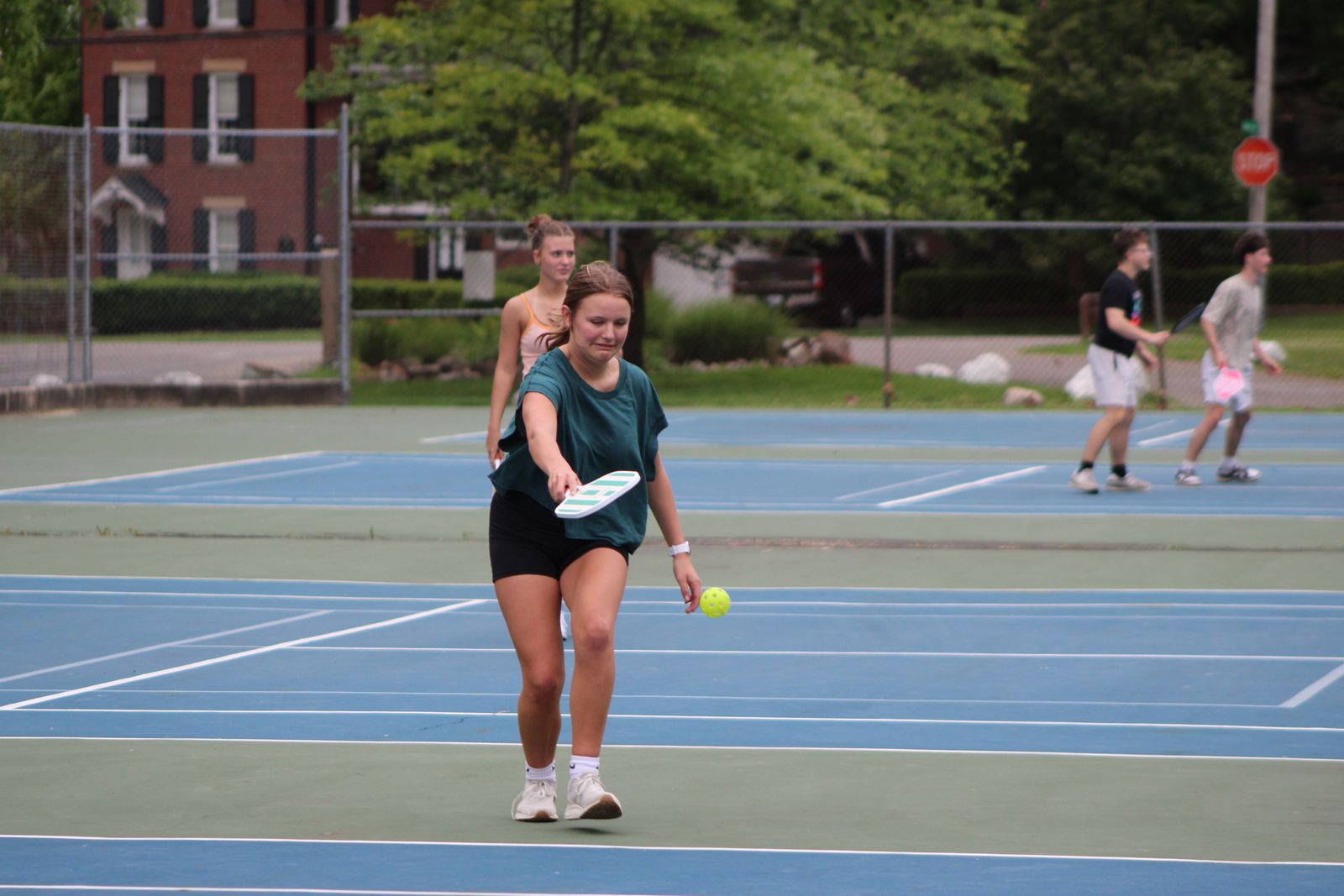
Stop saying sorry for playing badly. You paid the same court fee as everyone else and you are entitled to the same learning curve every regular got. Say "my bad" if you want, quick and light, then move on without dwelling. If a specific player's energy genuinely sours your night, rotate partners or find another group. Cebu has enough courts and open plays now that nobody has to stay somewhere that makes them feel small. Compare your options through CourtPal if your usual spot is not it.
What to actually do if you are the regular
Say something encouraging after a beginner's mistake instead of letting silence do the talking. It costs you nothing and it is the single biggest factor in whether that person plays a second game with your group. If you genuinely cannot muster patience for a slower rally some nights, that is human, just say so honestly and step aside for someone who can, rather than making a beginner feel the weight of your mood through body language they did not ask to read.
None of this means lowering the bar for actual bad behavior, showing up late, hogging the court, ignoring calls. Etiquette still applies to everyone equally. The distinction I am drawing is narrower than that: being new is not a behavior problem, it is a stage every single player passes through, and treating it like an inconvenience says more about the regular's patience than it does about the beginner's ability. The best regulars I know actively ask beginners to join their group instead of waiting to be asked.
"Padayon lang" ("just keep going") is a better thing to hear on your first day than any amount of silence. Say it to the next beginner you see fumble a shot.
Find an open play on CourtPal known for actually welcoming new players, no apology required.