Stop coaching people who did not ask
Unsolicited tips are not a gift, and here is why.
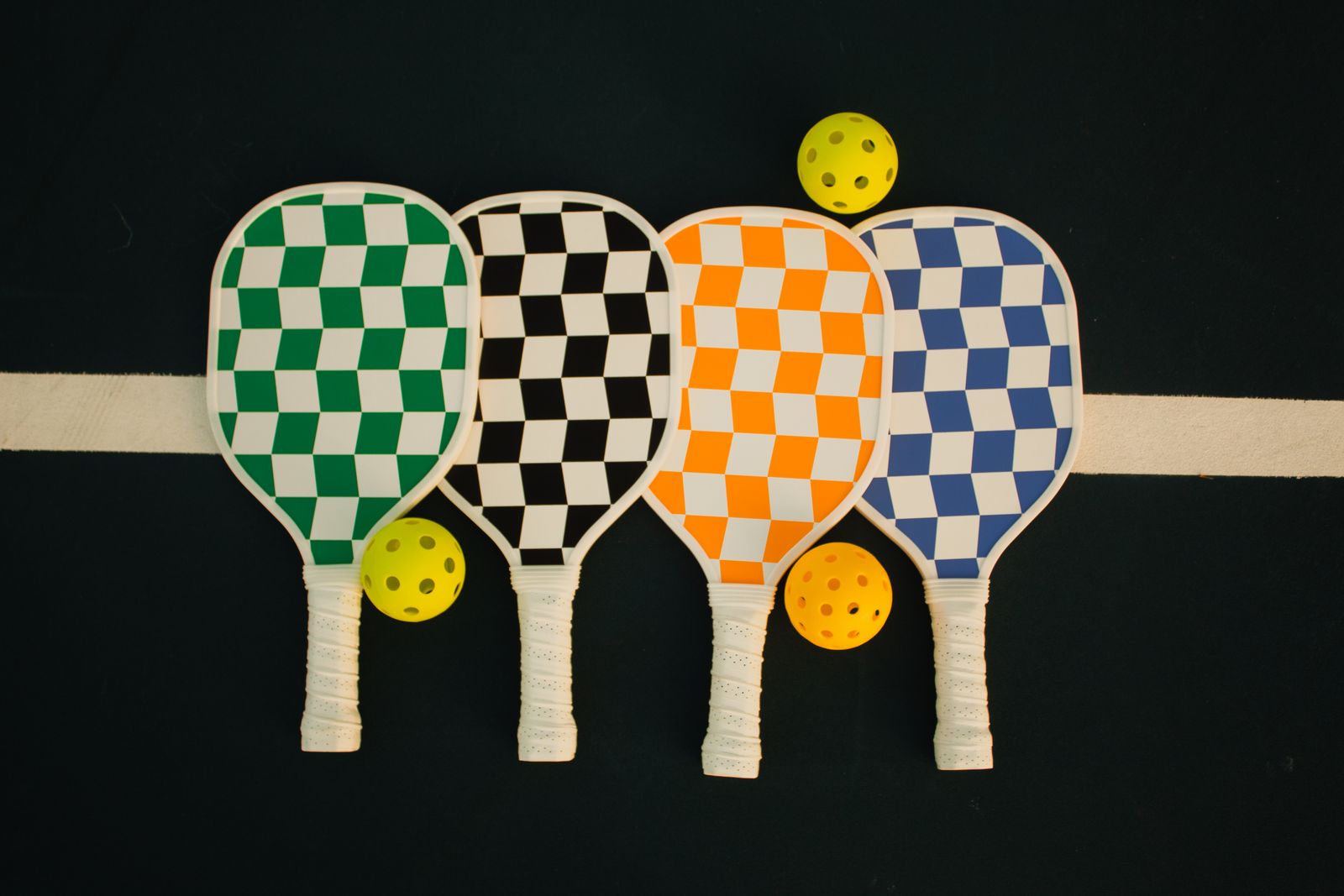
There is a guy at every court in Cebu who fixes everyone's backhand whether they asked or not. You know him. He might be you. He means well, probably, but the third time he corrects your dink mid rally you start dreading his side of the net more than the actual score. Unsolicited coaching is not a gift. It is a small tax on someone else's fun, paid without their consent, and I am tired of pretending otherwise. I've paid that tax plenty of times myself, nodding along while quietly wishing the guy would just let me lose in peace.
Why "just relax your grip" ruins someone's rally
Nobody comes to open play to be evaluated. They come to move, sweat, laugh, maybe lose ugly to a fifteen year old who's better than everyone on the court combined. When you interrupt a rally to correct someone's paddle angle, you're not teaching, you're grading. The player has to process a technical note in real time, on top of the game itself, from someone they never hired and never invited into that role. Most people freeze up worse after the correction than before it. That's not coaching working. That's coaching backfiring.
The two words that fix everything: may I
"May I give you a tip" takes two seconds to say and changes the entire transaction. It hands the other player a real choice instead of an obligation to smile and nod while you talk over the next point. Most people say yes, honestly. The difference is they said yes. Consent turns the same sentence from condescension into a favor. Try it for a week and notice how much less you actually correct people once you have to ask first. Half the urge to coach is really just an urge to be seen knowing something, and asking permission strips that ego part right out of the exchange before it starts. It also gives the other player an easy, guilt free way to say "not right now, I'm just here to move," which almost nobody feels comfortable saying uninvited.
Why we do it anyway
I've caught myself doing this more times than I'd like to admit, and when I actually sat with why, the honest answer wasn't generosity. It was that watching someone repeat a mistake feels like an itch, and correcting them scratches it faster than staying quiet does. That's a need I was meeting for myself, dressed up as a favor for someone else. Once you notice the itch for what it is, it gets a lot easier to just let the point finish and keep your mouth shut. The urge doesn't go away completely. You just stop acting on it every single time it shows up.
When coaching is actually welcome
There is a real place for feedback. A hired session, a drilling partner who explicitly wants reps and notes, a friend who says "tell me what I'm doing wrong" before the game starts. That's a different contract entirely. If someone genuinely wants structured improvement, point them toward an actual coach instead of freelancing the lesson yourself between points. USA Pickleball runs a real instructor certification program for a reason. It exists because good coaching is a skill, not a personality trait you get from playing three times a week.
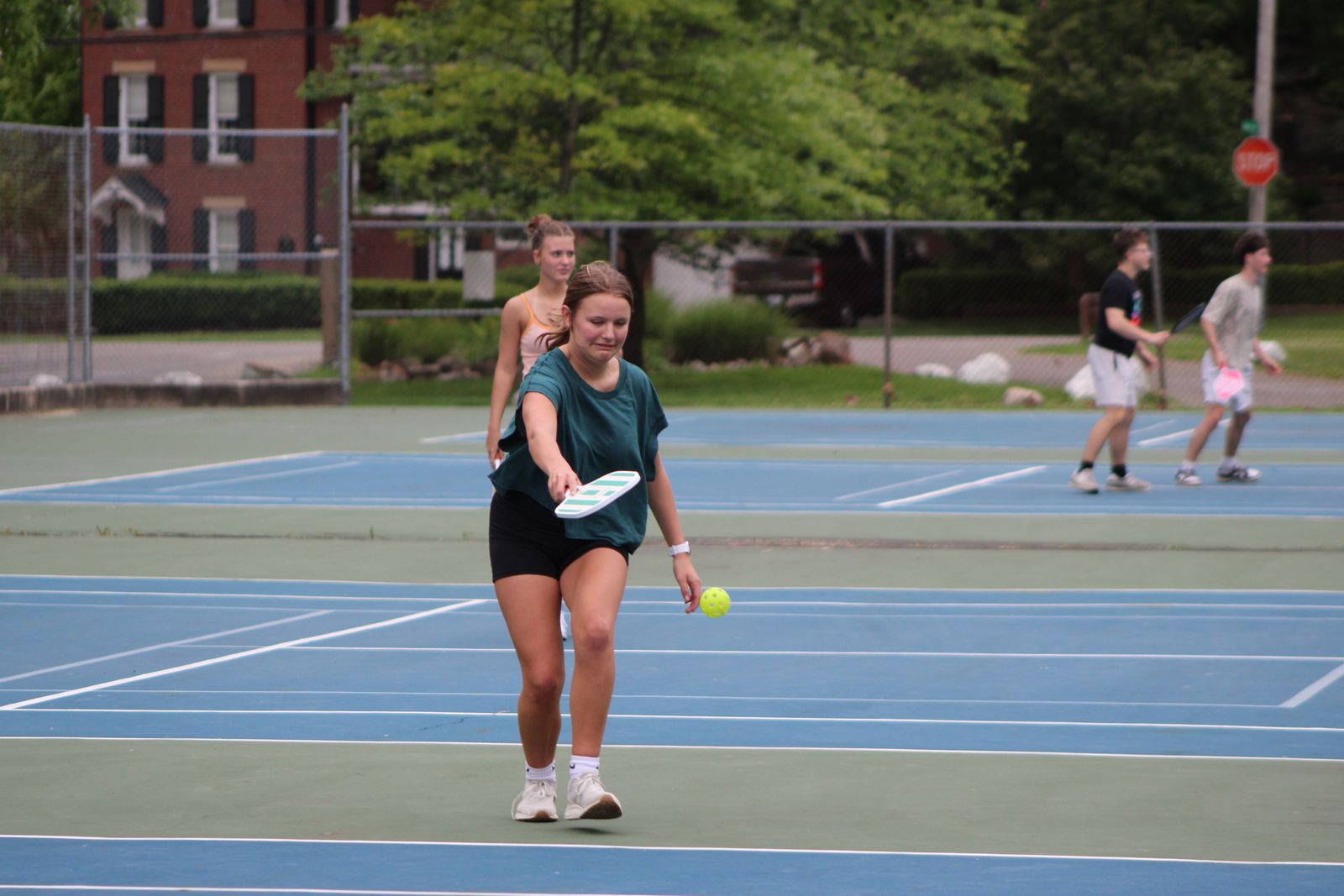
How to actually help without being that guy
If you genuinely want to lift the level of your local court, model it instead of narrating it. Play clean, call your own faults, hit the shot you're trying to teach and let people ask how you did it. Curiosity travels faster than correction. And if a beginner is about to hurt themselves or wreck someone's night with a dangerous swing, that's different from a technique note, say something short and move on. Everything else can wait until they ask, and if you've built any trust at all on the court, they eventually will. Read up on the dink game basics yourself before you start handing out advice on it anyway, since half the tips I hear floating around open play are outdated or just wrong.
There's also a quieter version of this worth naming, the friend or partner who coaches from the sideline while you're mid game, loud enough for the whole court to hear. That one stings more than a stranger's tip because it's public and it comes from someone whose opinion you actually care about. If you're that sideline voice, save it for the car ride home. Nobody plays better with an audience critiquing their footwork in real time, no matter how much they love you off the court.
If your advice would embarrass you to hear said back to you as "random guy tells stranger how to play," that's a strong sign to keep it to yourself.
None of this makes you a bad player or a bad person, it just makes you human, and the fix is genuinely small once you notice the pattern. A whole court gets better faster from twenty people quietly improving at their own pace than from one loud voice trying to fast track everyone else's game on his own schedule.
Want real feedback instead of court-side commentary? Book a session with a certified coach on CourtPal and get the notes you actually asked for.