Starting Tennis in Cebu When You Have Never Held a Racquet
The slower, steeper cousin of pickleball, and why it is worth it.
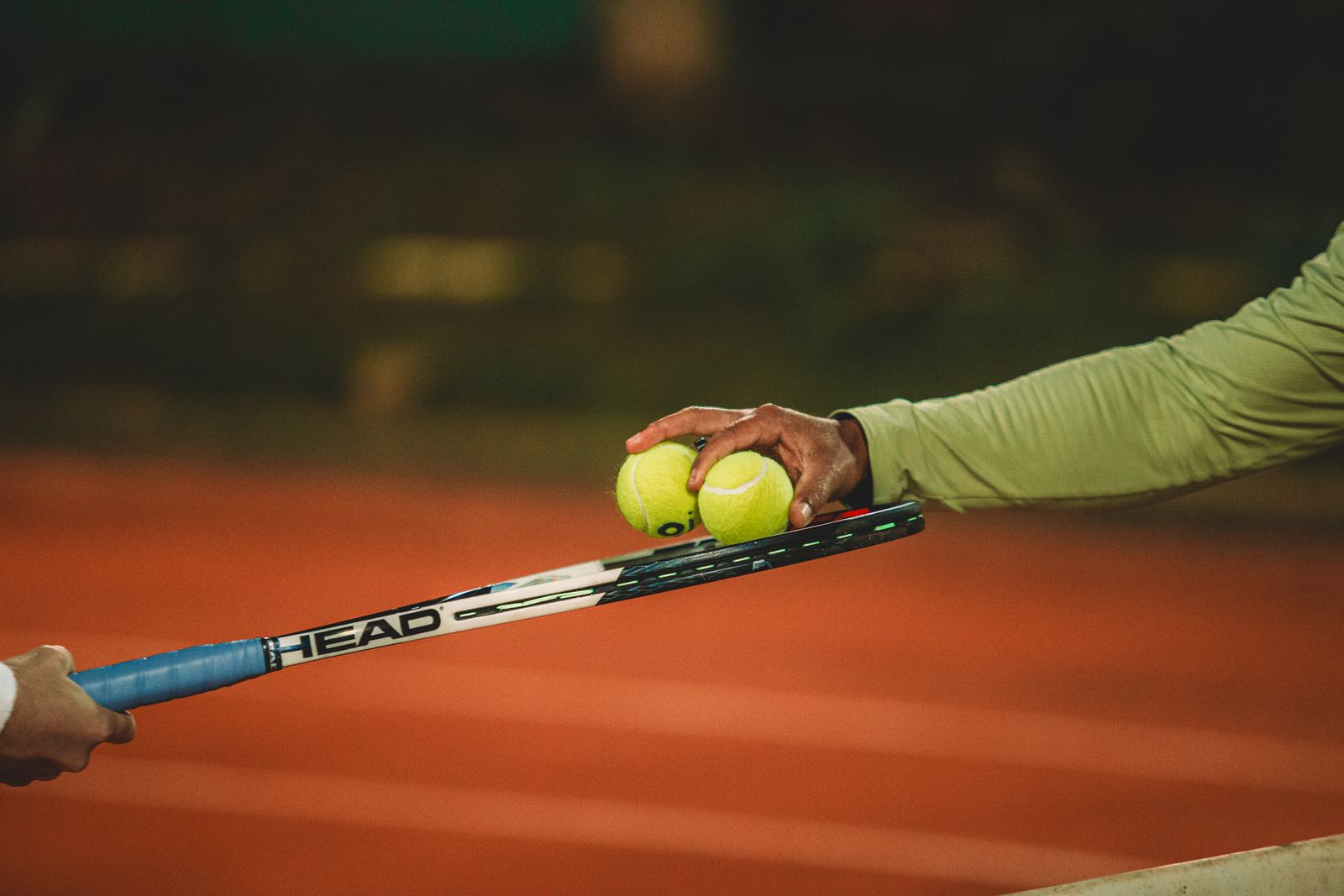
Somebody always tells you tennis is too hard to start as an adult. That the window closed years ago, that you needed to begin at seven with a private coach and a tennis mom driving you to tournaments. I am here to tell you that is mostly nonsense sold by people who forgot how bad they were on day one. It is a harder sport to pick up than pickleball, I will not pretend otherwise, but harder is not the same as impossible, and Cebu has more room to learn it than you think.
Why tennis feels harder than pickleball, honestly
The court is bigger, the ball moves faster off a strung racquet than off a paddle, and the learning curve on a proper serve alone can eat a month. If you want the full comparison between the two sports, tennis vs pickleball for Cebu beginners breaks down the differences in more detail. But here is the part people skip: the difficulty front loads. Your first six weeks are the steepest part of the entire curve, and it flattens out faster than the horror stories suggest, especially with actual instruction instead of guessing alone.
The cheapest real way to try it before committing
Do not buy a racquet yet. Most tennis coaches and clubs around the city keep a stock of loaner racquets specifically for trial lessons, because they know a total beginner buying gear on day one usually buys the wrong thing. Book one introductory lesson with a coach before spending a peso on equipment. A single hour with someone correcting your grip will save you months of a self taught habit that is painful to unlearn later.
Ask any coach for a continental grip lesson in your first session, even if you do not know what that means yet. It is the single grip fix that prevents the most common beginner wrist strain.
Where public and semi public courts actually hide in the city
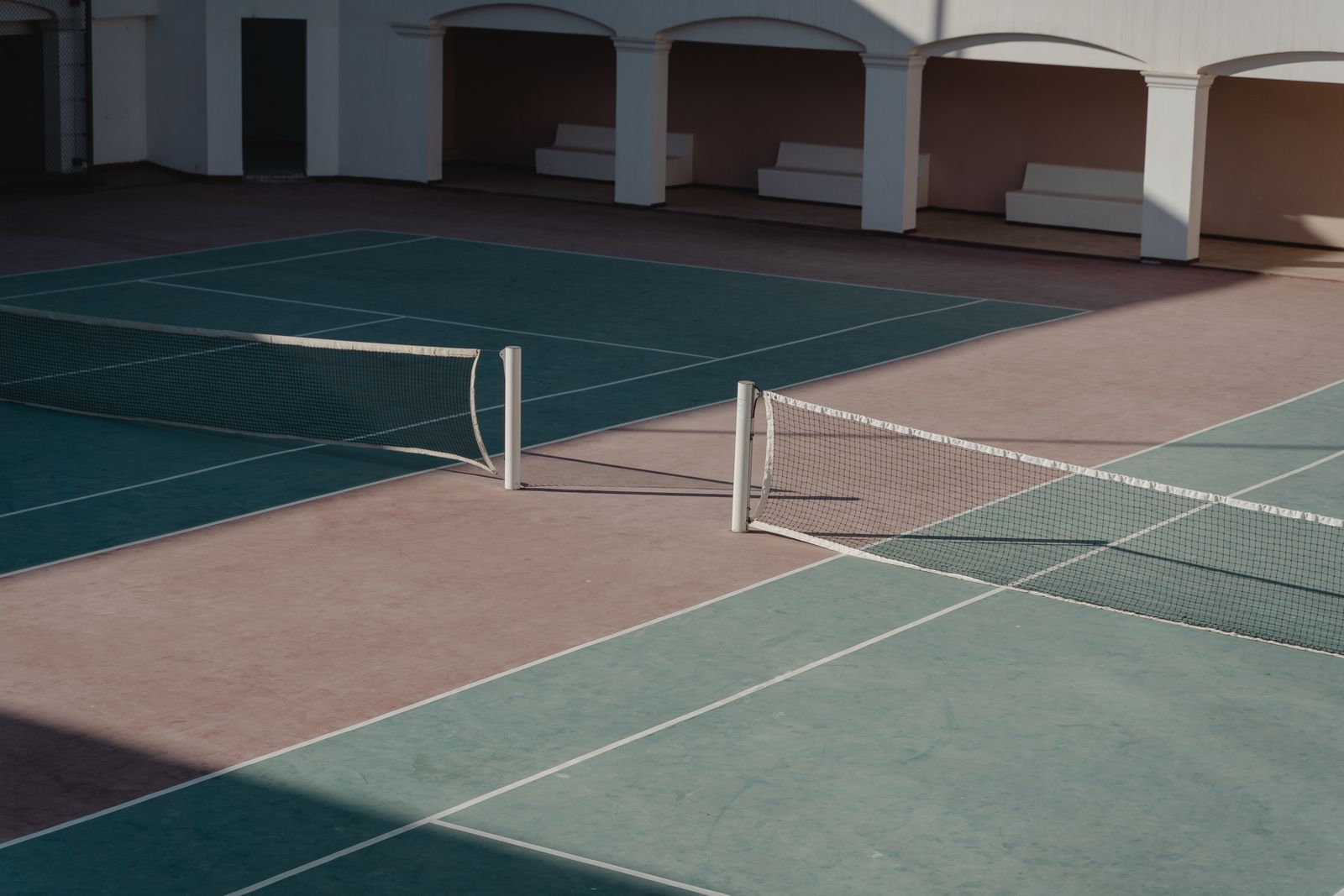
Cebu's tennis courts are quieter and more scattered than its pickleball scene, tucked into subdivisions, hotel grounds, and a handful of sports clubs rather than clustered in one obvious hub like IT Park. Banilad and the Ayala Center area have the highest concentration of accessible courts, while Talamban and the university belt carry a younger, more budget conscious crowd. My district by district court guide maps out the specifics if you want names and neighborhoods instead of generalities. The easiest way to skip the research entirely is booking straight through CourtPal, where court hours and fees are already listed.
The gear you actually need to start, and what to skip
A beginner racquet, a can of balls, and court shoes with lateral support cover the essentials. Skip the compression sleeves, the fancy overgrips, and the string tension debates until you have played enough to notice a difference. Most beginner racquets sold in Cebu sporting goods stores are perfectly fine for the first year, oversized head, forgiving sweet spot, nothing you need to overthink. Save the upgrade money for lessons instead of gear. A better racquet will not fix a bad grip, but a good coach will.
What your first month actually looks like
Week one is mostly footwork and contact point, hitting a ball that goes somewhere close to where you aimed. Week two is where the forehand starts to feel less like an accident. By week four, most beginners can sustain a short rally with another beginner, which is genuinely satisfying the first time it happens. It will not look like television tennis for a long while, and that is fine. Nobody on a public court in Banilad is grading your form against Wimbledon. The ITF has beginner focused resources if you want structured drills to practice outside of lessons, though a weekly lesson plus one casual hit a week beats solo drilling every time in the early months.
Why the slower start is still worth it
Tennis rewards patience in a way that pays off for decades. Players in their sixties and seventies still play competitive singles, the sport is easy on the wallet once you own basic gear, and a good rally is one of the few forms of exercise that makes an hour disappear without you noticing. It costs more time up front than pickleball. It also tends to hold people longer once it clicks, because the ceiling on how good you can get, and how long you can chase that, is a lot higher.
A one hour singles match can burn through 400 to 600 calories depending on intensity, roughly on par with a hard cardio session, minus the treadmill boredom.
The mental shift that makes the early weeks easier
Stop comparing your rally to whatever you watched on television last night. That comparison kills more beginner motivation than any actual physical struggle does. Compare today's session to your own first session instead. Did the ball land closer to where you aimed. Did you sustain one extra shot in the rally before it broke down. That is the only scoreboard that matters for the first two months, and it moves faster than the highlight reel in your head expects it to.
Book an introductory lesson with a Cebu tennis coach on CourtPal and find out how fast the fundamentals click with someone actually watching your grip.