The budget tennis racquet setup that will not hold you back
One racquet, one string job, zero buyer's remorse.
A friend asked me last month how much she needed to spend to start playing tennis seriously. She had priced out a racquet online and it scared her off entirely. I told her the number that scared her was for a tour player's tool, not a starter kit, and that a complete setup costs less than most people spend on dinner and drinks at IT Park on a Friday.
The racquet: used beats new, almost every time
A beginner racquet needs three things: a head size around 100 to 110 square inches for a bigger sweet spot, a weight under 300 grams unstrung so your arm survives the learning curve, and a grip size that fits your hand without you needing to squeeze. Everything past that is preference, not necessity.
Used racquets from players upgrading their setup are the smartest buy here. A racquet frame does not wear out from being hit with a ball the way strings do. A five year old frame in decent shape performs almost identically to a new one in the same category. You can find these secondhand for 1,500 to 3,000 pesos, a fraction of retail, at courts around the city where regulars often sell old frames once they upgrade.
Ask before you buy secondhand whether the frame has any hairline cracks near the throat. That is the one flaw that actually matters on an older racquet.
Strings: the part nobody budgets for
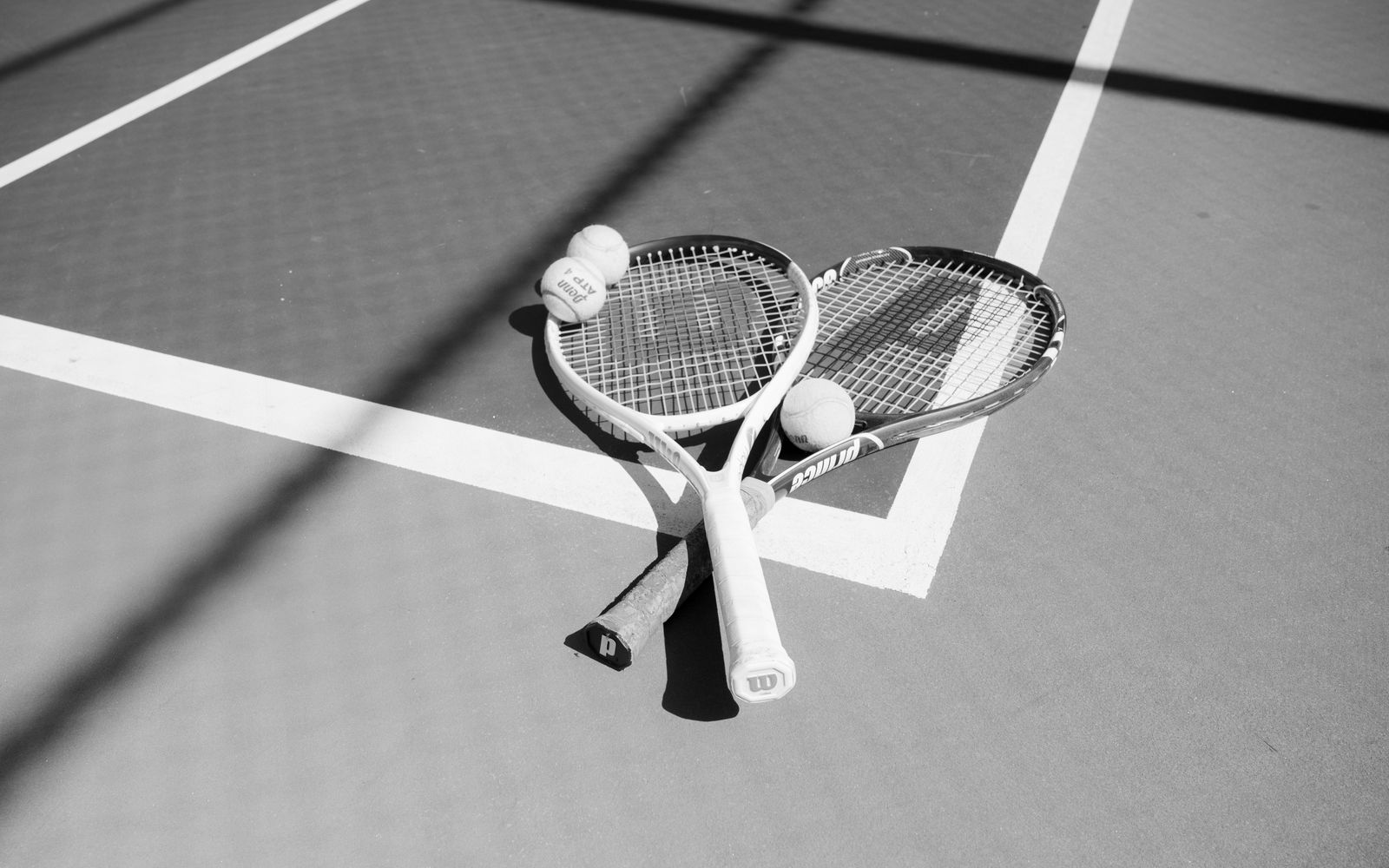
New racquets almost always come pre strung with something forgettable. A basic synthetic gut string job costs 400 to 800 pesos in Cebu and genuinely changes how the ball feels off your frame more than a racquet upgrade would at this stage. Do not skip this line item thinking the factory strings are fine forever. They lose tension within weeks even if you never break one.
For a first setup, avoid full polyester strings. They are stiffer, more control oriented, and honestly harder on your arm than a beginner needs. Save polyester for once your technique is consistent enough to generate your own spin and pace.
The overgrip trick that saves your hands
This is the cheapest fix in the entire setup and the one people skip most. An overgrip costs about 100 to 150 pesos, takes five minutes to wrap, and solves the two most common beginner complaints at once: a racquet slipping mid swing from sweat, and a grip that feels a size too small. Buy two or three at a time. In Cebu humidity you will replace them monthly if you are playing regularly, and a fresh overgrip changes your confidence on every swing more than you would expect.
According to the International Tennis Federation, grip maintenance is one of the most overlooked factors in beginner injury prevention, right alongside racquet weight. A slipping grip forces your hand to overcompensate on every shot, which is exactly the kind of repeated strain that turns into wrist or elbow pain over a season.
What the full budget kit actually costs
Used racquet at 2,000 pesos, a fresh synthetic gut string job at 600 pesos, three overgrips at 400 pesos total, and a can of decent balls at 250 pesos. That puts a complete, arm friendly beginner setup at roughly 3,250 pesos, well under what a lot of us spend on one weekend out. If you want the racquet feel dialed in further before committing, my post on restringing versus replacing covers when it is worth spending more.
What to skip entirely on a first purchase
Skip the racquet bag with six pockets, the vibration dampener, and the matching wristband set. None of that changes how a ball comes off your strings. If a shop tries to bundle those into your first purchase, that bundle is margin for them, not performance for you. Spend that money on an extra can of balls instead. You will burn through balls faster than you expect once you are actually rallying every week.
A budget setup also does not mean a permanent one. Treat this kit as your first six months. By then you will know your own swing well enough to have real opinions about weight and string tension, and upgrading from an informed place beats upgrading from guesswork every time.
Where new players actually waste money instead
The real budget leak in someone's first tennis season is almost never the racquet. It is lesson packages bought before anyone knows if they will stick with the sport, private court rentals paid at full rate when group sessions exist for less, and grip tape bought in bulk from a premium brand when a basic overgrip does the same job for a third of the price. Fix those three habits before worrying about racquet specs and your whole first year gets cheaper without you sacrificing a single rally.
I say this as someone who bought the expensive lesson package before I owned a decent racquet, which in hindsight was backwards. Get comfortable with a cheap, functional kit first. Spend on coaching once you know what specifically you need help with. Random early spending, on lessons or gear, rarely aims at your actual weak spot because you do not know it yet.
Grab your budget kit, then book a court on CourtPal to actually put it through its paces.