When to restring and when to just replace your racquet
The math nobody does, done for you.
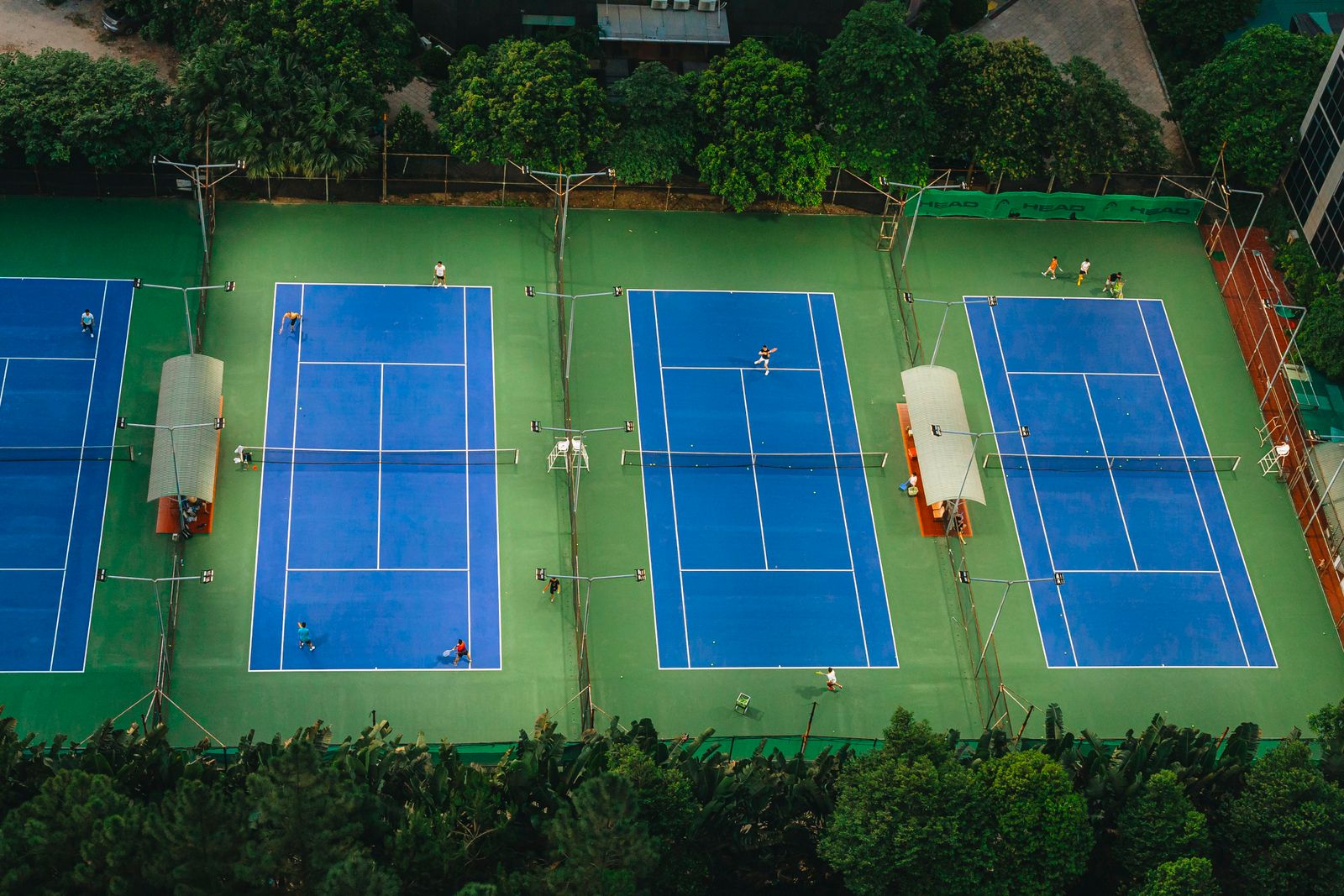
Somebody at the courts near Banilad once told me he replaces his racquet every year because it 'goes dead.' His racquet was fine. His strings were four years old and had gone soft as overcooked pancit. He needed 600 pesos, not 6,000.
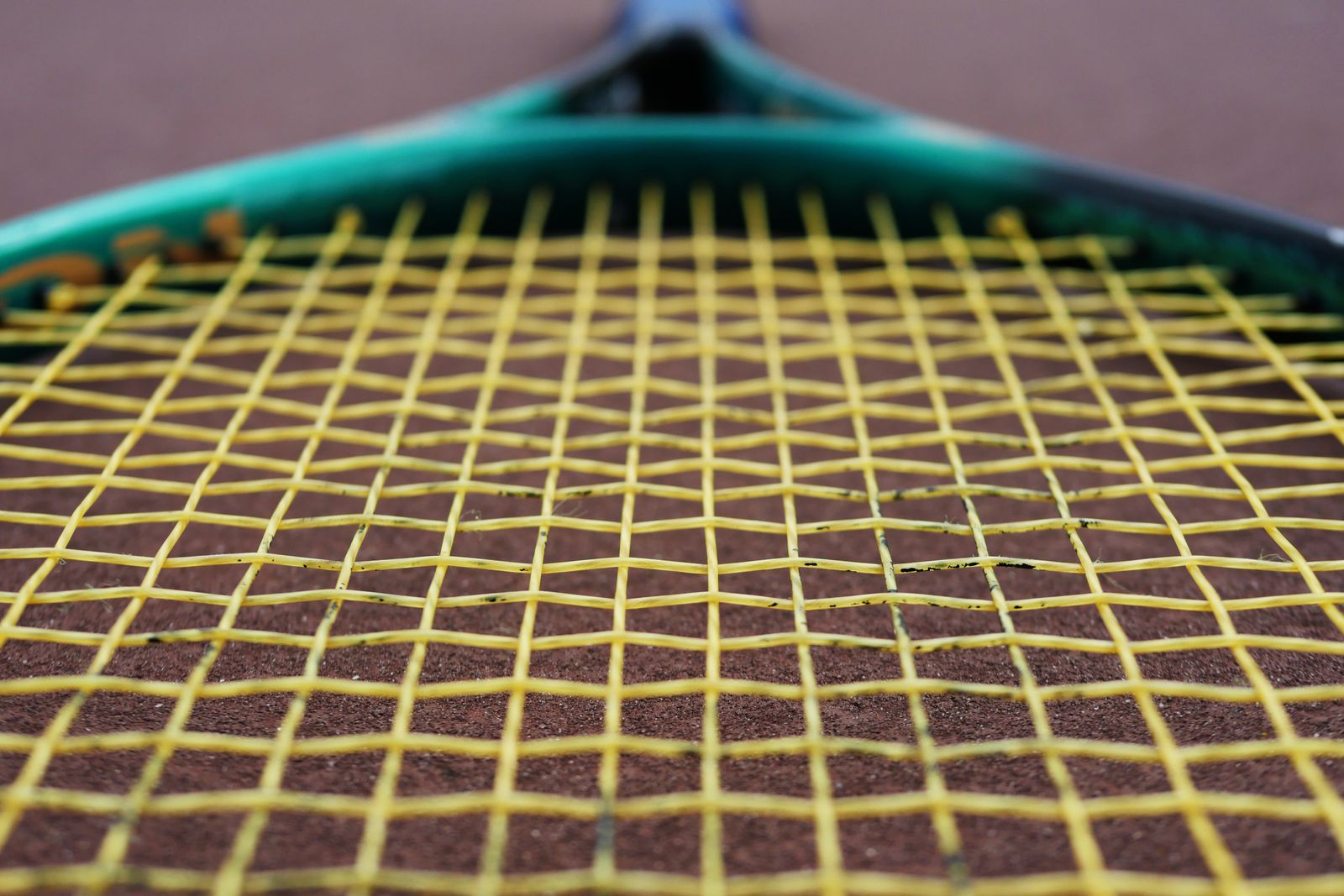
Strings die way before frames do
A tennis string loses tension the moment it is strung, even if you never hit a single ball with it. Humidity, heat, and time all pull it down. Cebu's climate is not gentle on strings either. If you play twice a week, your strings are noticeably softer by month three, and by month six they are actively working against your control, not just your power.
The frame itself, barring a crack or a serious impact, holds its performance for years. That mismatch, strings degrading fast and frames degrading slow, is exactly why so many players blame the wrong part of their racquet.
There is a health angle here too, not just a cost one. Old, dead strings transfer more shock into your arm on every hit because they no longer flex and absorb impact the way fresh strings do. Mayo Clinic lists repetitive strain from racquet sports as a common driver of tennis elbow, and vibration at contact is part of that picture. A cheap restring is arguably the most cost effective injury prevention move in your entire kit.
A cost per hour way to actually decide
Here is the math I use with new players who ask me this. A restring job in Cebu runs roughly 400 to 800 pesos depending on the string type and where you get it done. If that restring buys you three months of solid play, at say two sessions a week, that is 24 sessions. Divide 600 pesos by 24 sessions and you get 25 pesos per session for fresh strings. Compare that to a new racquet at 2,000 to 4,000 pesos and it is not close. Restringing wins on cost almost every single time a frame is still structurally sound.
A restring at roughly 25 pesos per session of playable performance beats a new racquet purchase on cost in nearly every realistic weekend player scenario.
When replacement actually makes sense
Replace, not restring, when the frame has a visible crack anywhere, especially near the throat or head, when you have genuinely outgrown a beginner frame's forgiveness and want more control as your swing gets more consistent, or when the grip size is simply wrong for your hand and cannot be corrected with an overgrip. Those are structural and fit problems, not string problems, and no amount of fresh string fixes them.
If you are still assembling your first setup rather than maintaining an existing one, start with my budget racquet guide instead. This post assumes you already own something worth keeping.
How often weekend players actually need fresh strings
As a rough rule, restring as many times a year as you play per week. Playing twice weekly, restring twice a year. Playing daily, you are probably feeling the need every couple months already. Casual players who hit once a week can often stretch a full year on one string job before it meaningfully hurts their game. Trust how the ball feels over the number on a calendar. When shots that used to sit in start sailing long, that is your strings talking, not your swing suddenly breaking down.
A quick way to test your own strings right now
Bounce a ball on your strings from about a foot up. Fresh strings give a crisp, high bounce with a distinct pop sound. Dead strings give a duller, lower bounce and almost no sound at all. It is not scientific, but it takes ten seconds and tells you more than staring at a purchase date ever will. Do this test before every season starts, not just when a shot suddenly feels wrong.
String type changes this math a little. Natural gut and multifilament strings hold tension longer than synthetic gut and are more forgiving on your arm, but they cost more upfront. Polyester strings lose tension fastest of all but resist notching from spin heavy hitters. If you are restringing more than three times a year and getting frustrated by the bill, switching string type is often the actual fix, not switching to a pricier frame.
One more thing worth saying plainly. A restring shop that takes less than fifteen minutes for your job is rushing it, and tension consistency suffers when they do. Ask around at courts for who locals actually trust with their racquets. A good stringer is worth more to your game long term than a marginally better frame.
Write the string date somewhere you will actually see it, a sticker on the throat, a note in your phone, anything. Most players who overspend on new racquets are not doing the math wrong. They simply have no idea how old their strings are, so a frame that plays fine gets blamed for a problem strings caused months earlier.
None of this is complicated once you see it clearly. Strings are a maintenance item, like tires on a car. Frames are the car itself. Nobody buys a new car because the tires wore down, and nobody should buy a new racquet because the strings finally gave out either.
Get your racquet restrung, then book a court on CourtPal to feel the difference in your first rally.