The pickleball open play rules nobody posts but everyone judges
Paddle stacking, calling next, and the sins that get you side eyed.
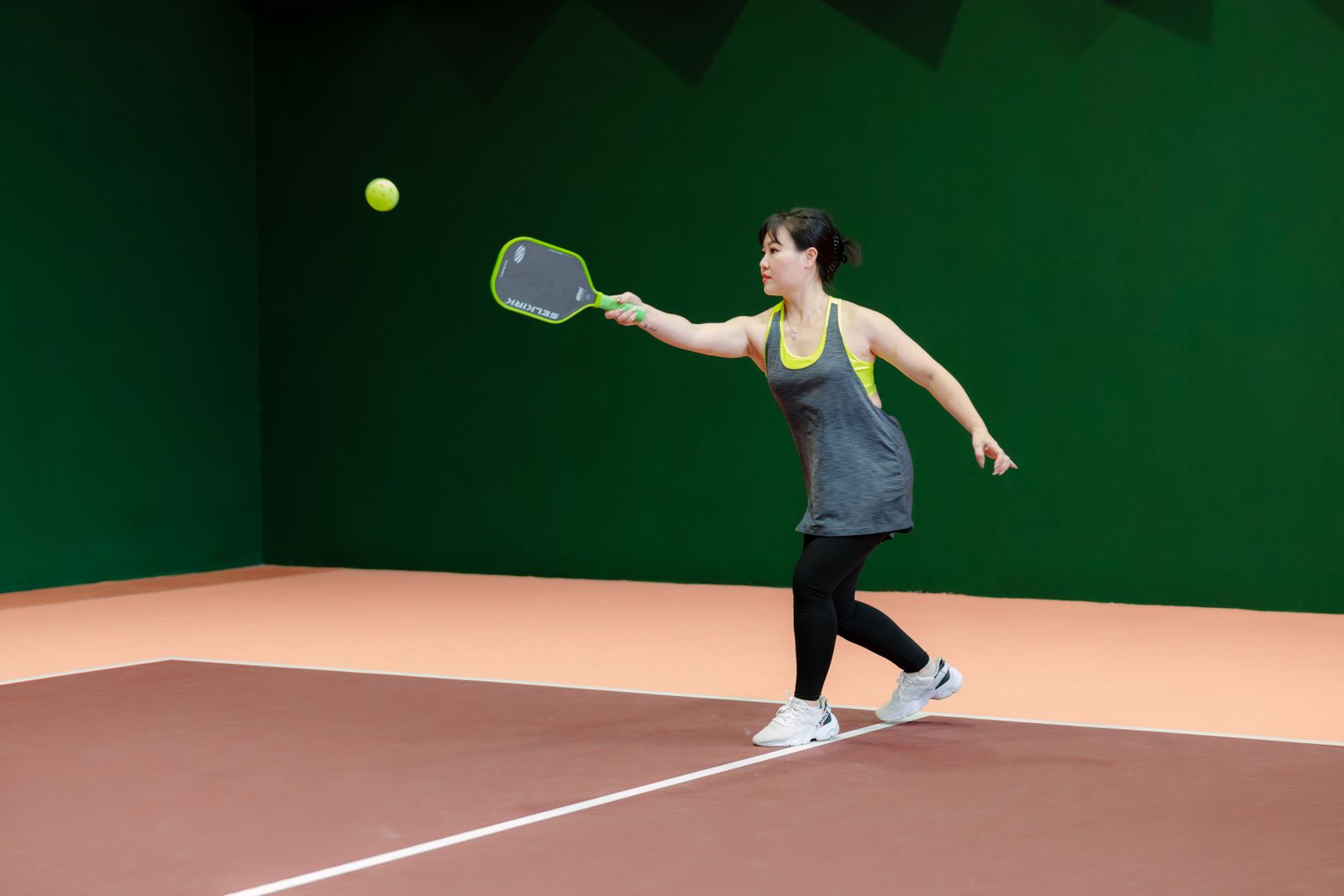
My first open play at an IT Park court, I stood by the fence for ten minutes not knowing where to put my paddle. Everyone around me clearly knew the drill. Nobody explained it out loud, because to the regulars it isn't a rule, it's just how Tuesdays work. I watched, guessed, and hoped I wasn't stepping on some tradition I didn't know existed yet. Turns out I was, twice, before someone finally took pity and walked me through it.
The paddle line is not a suggestion
Most open play sessions in Cebu run on a rack or a row of paddles leaned against the fence. First paddle down plays first, and the order holds even if you step away for water or a phone call. Skip the line to squeeze in with your friends and you will get called out, gently the first time, less gently the second. Some courts have moved this to a whiteboard or a group chat queue instead of physical paddles. The system changes, the principle doesn't. Order is order, and nobody gets to spend it just because they showed up with more confidence than patience.
When to sit, when to jump back in
Games at open play usually run to 11, win by two, next four in line. The math sounds simple until you're the person hovering at the gate wondering if it's rude to ask how many games are left. It isn't. Ask. What's rude is assuming the four winners automatically stay on, or assuming they automatically rotate off. Neither is universal. Every court I've played at Talamban, Banilad, and the best courts near IT Park has its own local flavor on this, so the first thing you do at a new venue is watch one full rotation before you play one.
Rotating fair beats rotating with your favorite people
Here's the one I'll argue about over San Mig at Fuente. A lot of groups quietly self sort by friend circle instead of by who's actually next, and they dress it up as "we just like playing together." Sure, but open play isn't a private club, it's a shared court with a shared queue. If you want to guarantee your squad plays every game together, book a private slot on CourtPal and call it what it is. If your rating matters to you that much, track it properly instead of using it as a quiet excuse to dodge the newer players in line.
What to actually do your first time
Walk in fifteen minutes early if you can. Watch the paddles go down, watch who talks to whom, watch how a winning team leaves the court once four is up. Introduce yourself to whoever seems to be running the rotation, even just a name and a "first time here." That single sentence does more for you than any paddle skill will that day, because it tells the regulars you're paying attention to their system instead of expecting them to adjust to you. Bring your own water, your own towel, and enough patience to sit out two or three rounds before you actually get on. Nobody remembers the player who played first. Everyone remembers the one who showed up loud, cut the line, and vanished after one loss.
The sins that get you the side eye
None of these are illegal. All of them will get you talked about after you leave. Coaching your opponent mid rally like you're doing them a favor. Camping on a court you're winning and pretending you didn't hear the next group calling next. Arguing a line call for longer than the point was worth. Showing up forty minutes late and expecting to slot back into your old spot in the queue like time stopped for you. The official rulebook from USA Pickleball doesn't mention any of this, because none of it is a rule. It's culture, and culture is enforced by side eye, not referees.
The paddle line only survives on trust. The day regulars start assuming everyone will cheat it is the day open play stops being fun and starts being a job.
Interactive: A checklist. Try it on the live page at courtpal.ph/blog/pickleball-open-play-etiquette.
How this looks different court to court
An IT Park after work crowd moves fast and talks fast, everyone's squeezing in games before the sun sets or before they head home. A weekend session in Talamban has more room to breathe, more coaching between points, more kids waiting for a turn. A Banilad group I used to play with ran a strict two game sit out no matter how good you were, which felt harsh until I realized it kept the whole session honest. Neither version is more correct. What matters is reading the room for the first fifteen minutes before you start enforcing your home court's habits somewhere new, because the fastest way to become the newcomer everyone talks about badly is to walk in assuming your old court's rules are universal law. If you're hunting for a group that matches your pace, finding your open play community is worth the extra research before you just show up somewhere random and hope it clicks.
Find an open play session that fits your level and book your spot on CourtPal before you show up and guess.