How to buy your first pickleball paddle in Cebu
What matters, what is marketing, and what you can safely ignore.
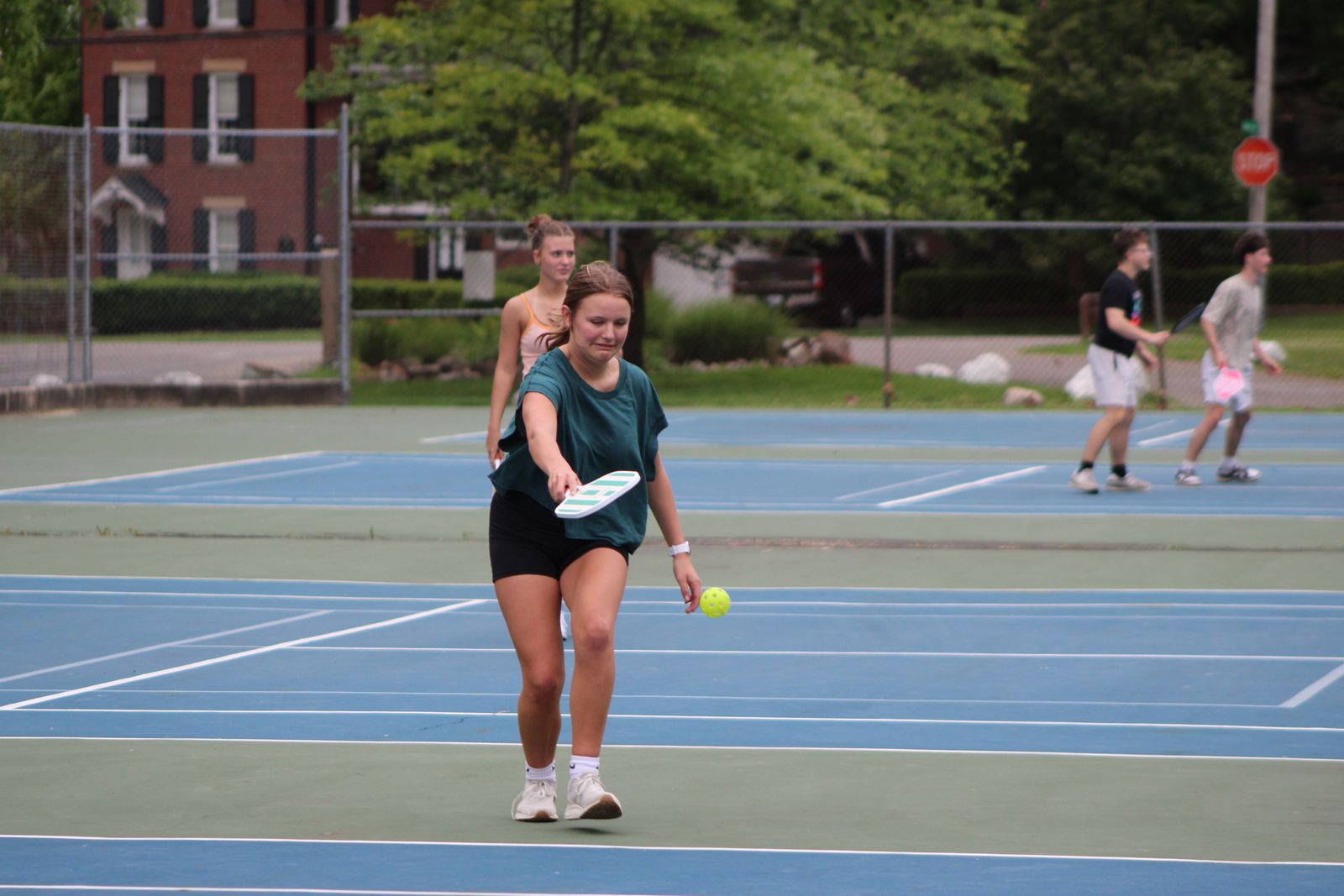
I watched a guy at a sporting goods stall in Ayala Center spend twenty minutes getting talked into a paddle that cost more than his court shoes, his shirt, and his water jug combined. The salesperson kept saying 'carbon fiber' like it was a magic word. It is not a magic word. It is a material, and for a first paddle it barely matters compared to three things that actually do.
The three specs worth your attention
Weight, grip size, and core thickness decide almost everything about how a paddle feels in your hand. Everything else, the paint job, the pro endorsement, the name that sounds like a fighter jet, is packaging. If you get these three right, you will play fine with a paddle that costs a third of the flashy one.
Weight sits between 7.3 and 8.3 ounces for most players. Lighter gives you faster hands at the net, which matters a lot once you start dinking seriously. Heavier gives you pop on drives but tires your arm quicker, especially in Cebu heat where a two hour session already drains you before the paddle adds its own tax.
Grip size is the one nobody thinks about until their hand cramps in game three. Too big and you overcompensate with your forearm, which is how tennis elbow style pain shows up in pickleball players too. Too small and the paddle twists in your hand on off center hits. Most adults land at 4 to 4.25 inches. If you are between sizes, an overgrip lets you nudge it up cheaply.
Bring a ruler or ask to try three grip sizes back to back at the shop before you decide anything about weight or price. Grip feel changes your read on everything else.
What carbon fiber actually buys you
Carbon fiber faces cost more because they give you a slightly larger sweet spot and more consistent touch at the margins, the kind of difference a 4.0 rated player can feel and a brand new player usually cannot. According to USA Pickleball, the sport's governing body, paddle specs are standardized within a range specifically so equipment differences stay small relative to player skill. That is the whole point. The paddle is not the ceiling on your game. Your hands are.
Fiberglass and composite faces, the cheaper option, give you more power out of the box but less control until you learn to tame it. For a true beginner that is not automatically a bad trade. Power can mask a lot of mechanical sins in your first month.
Price brackets that make sense here
In Cebu, a genuinely fine starter paddle runs 1,500 to 3,000 pesos. That gets you a composite or entry graphite face, a standard core, and a grip you can swap out later if it does not suit you. Spending 5,000 to 8,000 pesos gets you better edge protection and a more refined feel, worth it once you know you are staying with the sport. Anything past 8,000 pesos on a first paddle is buying reputation, not performance you can currently access.
I tell every new player the same thing. Buy the cheap one first. If you are still playing every week three months from now, upgrade with confidence because you will actually know what you want changed.
Interactive: A calculator. Try it on the live page at courtpal.ph/blog/pickleball-paddle-buying-guide-cebu.
Where to actually get one without overpaying
Sporting goods counters in IT Park and Ayala mark up imported paddles hard, sometimes double what the same model costs from a direct seller. Before you buy retail, ask around at open play sessions. Somebody is always upgrading and selling their old paddle for a fraction of new price, and used paddles that were cared for play almost identically to new ones. Browse the courts near you on CourtPal and you will usually find a session happening within a day or two where you can test three or four paddles borrowed from generous strangers before spending a peso.
"Sulayi usa" (try it first), as the older players here like to say before every gear purchase. Nobody regrets testing before buying.
The humidity problem nobody warns you about
Cebu heat and humidity age gear faster than a paddle spec sheet ever accounts for. Edge guard tape peels sooner here than it would in a drier climate. Grips go slick with sweat within a single long session, not a season. If you leave your paddle in a hot car trunk after a Sunday game, you are speeding up wear on the face material in ways a shop clerk in a temperate country never has to think about when they write their reviews.
None of this means buy a more expensive paddle. It means budget for a spare overgrip and store your paddle somewhere shaded, ideally inside a bag rather than loose on your car dashboard. That single habit protects a cheap paddle better than an extra few thousand pesos of face material ever will.
The question to ask before you swipe your card
Before buying anything, picture yourself three months from now. Are you the person who plays twice a week rain or shine, or the person who tried it twice and quietly stopped answering the group chat. Both are completely fine outcomes. Neither one requires an 8,000 peso paddle on day one. If the sport sticks, you will know exactly what to upgrade because your own hands will tell you, not a sales pitch.
I think the guy from Ayala Center probably still has that expensive paddle sitting in a closet somewhere, barely used, while a friend of mine plays three times a week on a paddle a third of the price and has gotten noticeably better every month. Money spent on the wrong thing at the wrong time does not buy improvement. Time on court does. Start there, and let the gear catch up once you actually know what you need.
Find an open play session on CourtPal this week, bring your questions, and test a few borrowed paddles before you spend anything.